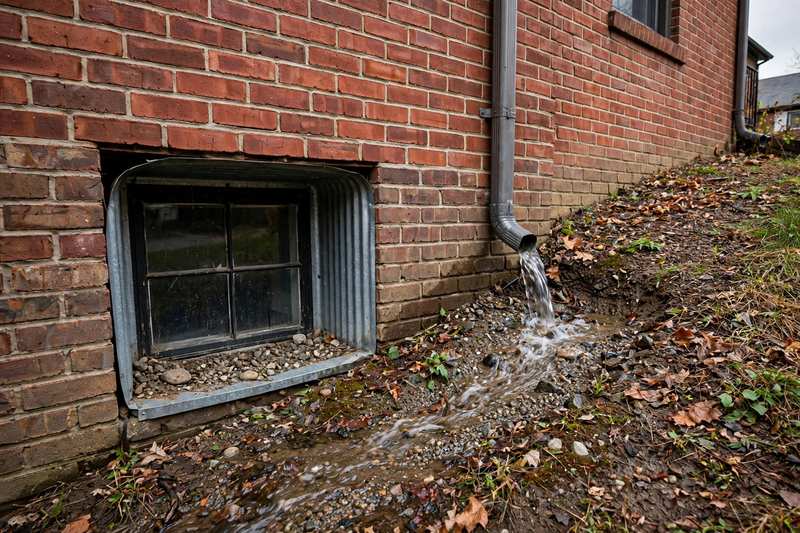
Annexed in 1893, West Ridge filled in during the 1920s streetcar boom with 1.5-storey brick bungalows on lots wider than the standard 25 feet, followed by larger brick houses and Georgians from 1930 to 1950 and post-war ranches and two-flats along the north edge. The typical bungalow here is about 20 feet wide with a low-pitched roof, and homes of this era typically carry K-style eave gutters along long, straightforward runs. Wider lots mean longer runs and more room for side-yard routing, which shapes downspout placement on nearly every block.
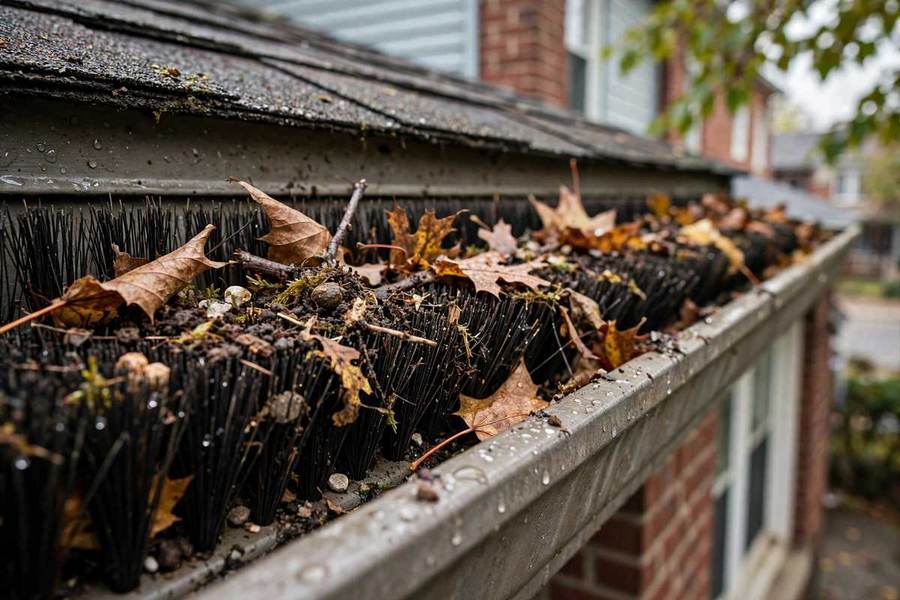
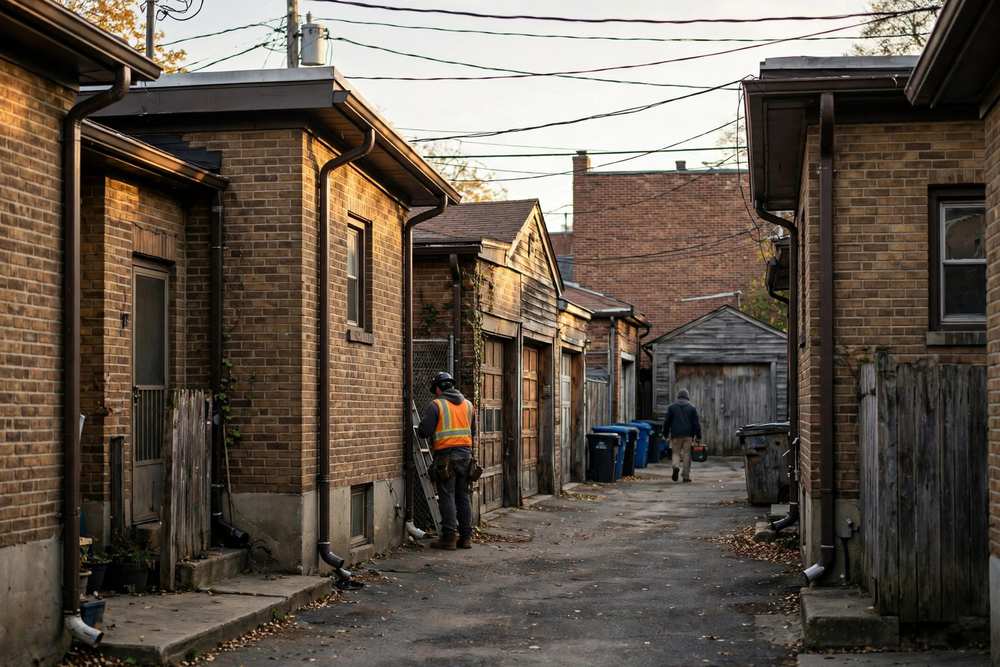
A second wave of larger brick and Georgian houses from 1930 to 1950 added two-storey eaves beside the 1920s bungalow core, so neighbouring houses on the same street can need different run lengths and drop heights. Dormered-attic alterations over the decades created new valleys and eaves on some bungalows, and each altered roof is checked house by house rather than assumed to match its neighbours. Detached garages appear in the area's historic nominations, adding a separate garage gutter run on many lots, and mature trees add a leaf load that makes gutter cleaning a seasonal habit here.
Two National Register districts sit side by side here, both block-specific: the Rogers Park Manor Bungalow Historic District, listed on 15 November 2005, with 329 buildings including 247 bungalows from the 1920s near Lunt, Western, Farwell, and California, and the Talman West Ridge Bungalow District, listed on 10 December 2008, covering 1919-1930 construction. National Register listing is honorary and is not Chicago Landmark review, and no Chicago Landmark district has been verified here, so check the designation details for the specific block before work. Varied subtypes, including rounded and polygonal bays and art glass, reward a house-by-house look.
Explore West Ridge services →